

link to open access paper
https://www.cell.com/current-biology/fulltext/S0960-9822(26)00818-3
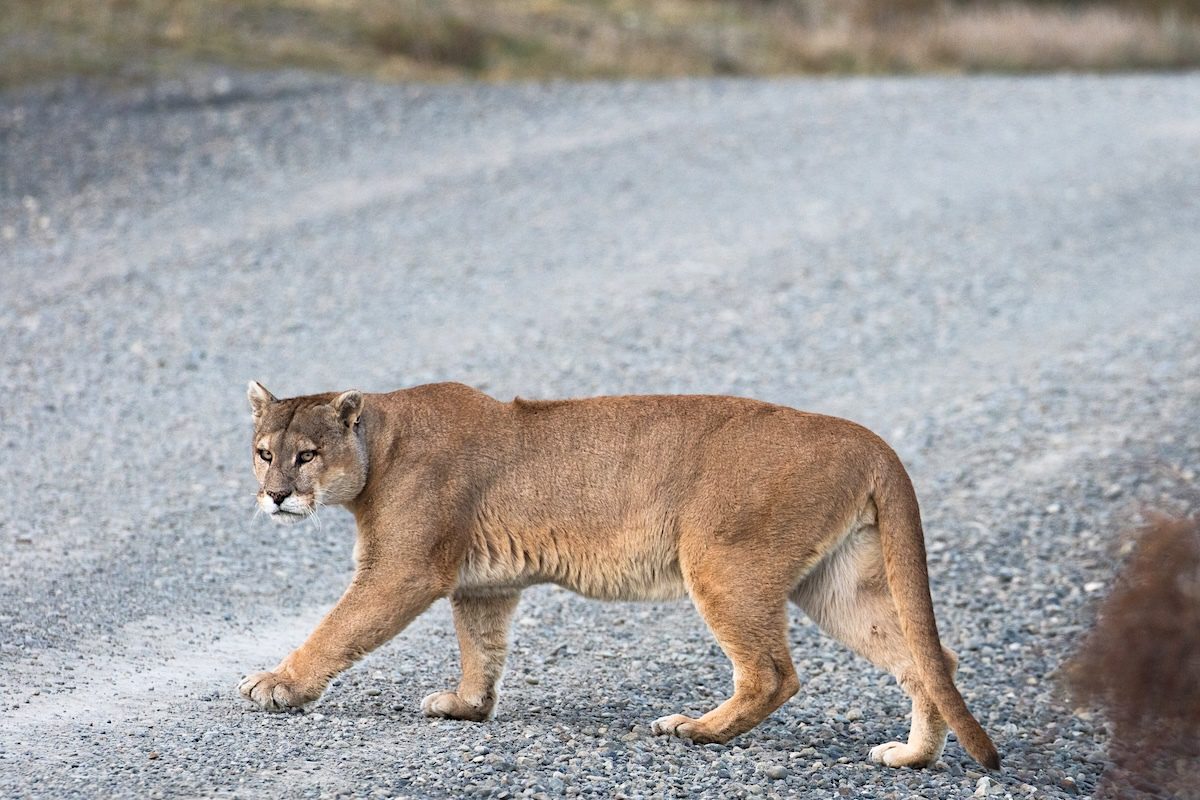
These predator-related changes in deer habitat use were associated with a 67% reduction in the probability of a deer-vehicle collision and a 76% reduction in the total expected number of collisions over a 5-year period where puma occupancy probability was high. Puma collar data corroborated these findings and further indicated a shift in deer-vehicle collision timing toward daylight hours where puma space use was high, corresponding to observed changes in deer diel activity. Thus, even where predator and prey populations are well established, pumas may substantially reduce collision risk by altering deer behavior, benefiting society through increased road safety.
Researchers found that where mountain lions were active, deer avoided roads. Overall, deer in those areas were 15 percent less likely to be found near roads, which led to a 67 percent drop in the odds of a traffic accident involving deer.
I suppose because they’re easier to spot out in the open.
Good, hard-working kittens ❤️
pumas
Olympic Peninsula of Washington
Come on, people. No one calls them pumas up here. Like, literally no one. They’re cougars or mountain lions. Pumas are what they’re called in South America.
pumas
What, like the shoe company?
What in Sam Hell is a puma?

