

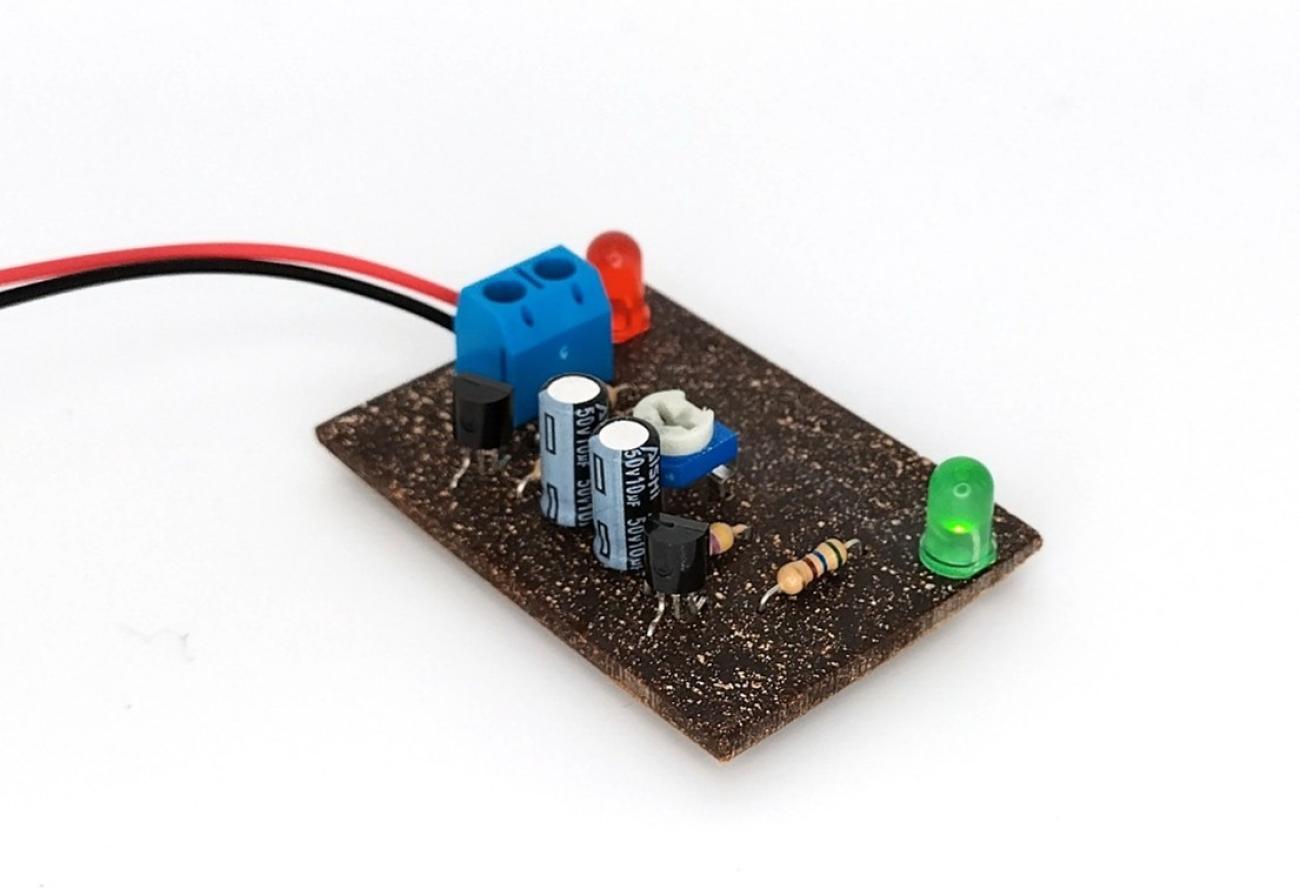
Instead of disposing of this biomass waste, the team processes it into a plastic-like material through an innovative process involving molding and air-drying, resulting in a small, approximately 0.5 cm thick plate with a density of 1.23 g/cm³, comparable to the density of conventional printed circuit boards (PCBs). Using direct ink writing or a standard etching process and manual soldering, the researchers were able to deposit electronic components directly onto the fungal plates.
You shouldn’t be getting your electronics wet, anyway. Also, cardboard boxes last longer than my electronics in most cases.
This would work pretty good in most cases.
It’s to be avoided, sure. But sometimes accidents happen. Or sometimes it’s just really humid.