

cross-posted from: https://lemmy.ca/post/72698534
“Some of these might be catchable by the end of next year,” Leask said. “I don’t know what their growth will look like in the wild.”
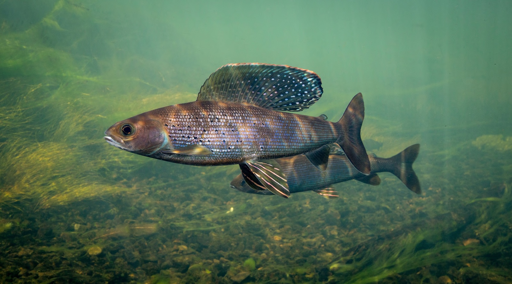
That’s because Arctic grayling haven’t been seen in Michigan waters for almost a century. By the 1930s, industrial activity like logging and overfishing, along with competition from non-native fish, had decimated their numbers. But three northern Michigan tribes and the state are trying to change that by reintroducing the fish to local waters.
“Our taking care of them and helping them to reestablish their population helps us to reestablish ourselves, our culture, and our traditions,” said Tina Frankenberger, the Grand Traverse Band’s tribal environmental resiliency lead.
Their work joins broader efforts by tribes around the country to restore native species — from salmon to oysters to condors — that are culturally and economically important, while also strengthening the ecosystems that these species depend on against threats like climate change.