

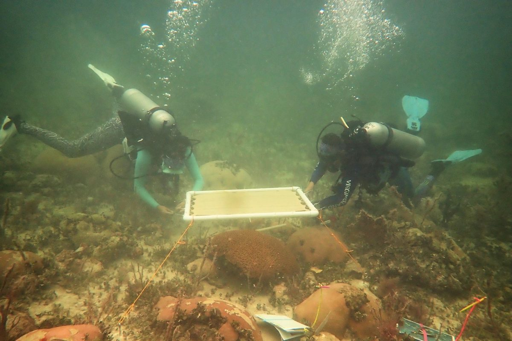
These shades reduce the amount of light reaching the corals by around 60 percent. Although they don’t cool the water, they can protect the corals from UV damage.
Neither the shaded corals nor controls died during the heatwave, despite it being the second highest on record. The corals under the underwater umbrellas, regained some of their colour once sheltered by their new shading and lost less colour than expected during the heat stress event.
“Solutions like shading can offer temporary protection on small scales,”
It looks like they’re made of PVC though…
Part of them, yes - the frame to be more precises. Then there is sealed foam for floating, as well as agricultural shade cloth.
As long as they acknowledge that it can only be temporary due to microplastics I suppose. But I feel like there could be a solution that doesn’t involve plastic
I’m pretty sure right when saying there could be a solution that doesn’t involve plastic. I hope the next step to this proof of concept project would be to create these shades with totally eco-friendly materials