
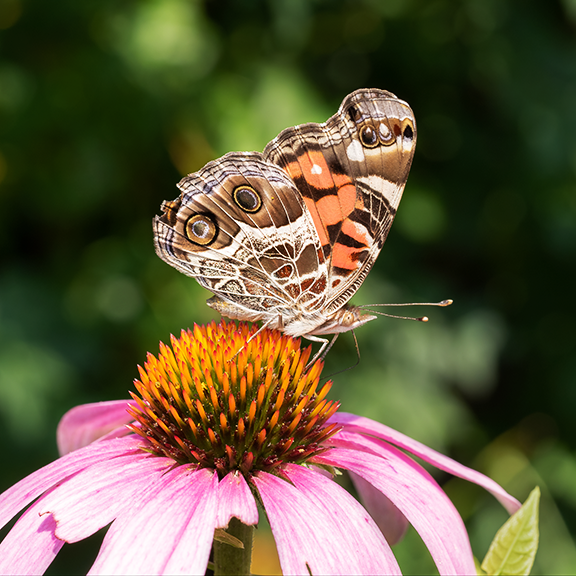
cross-posted from: https://lemmy.world/post/50141139
As we in the northern hemisphere are entering peak seed-gathering season, you should know about seed libraries!
Seed libraries and seed exchanges are places where gardeners can donate, receive, and/or swap seeds they’ve gathered. You can often find them at community centers and public libraries. This year instead of cleaning up your bolting/flowering plants, why not let them go to seed? My local library was thrilled to receive donations of seeds I gathered from my garden; it sounds like their seed library is quite popular, but there are more people interested in receiving seeds than giving them.
There are tons of seed saving resources online, but here are some quick tips from my personal experience:
You don’t need a garden to seed save; some people gather wild plant seeds for use in home gardens to improve biodiversity in settled areas. A hike at the right time of year and a little knowledge of native plants can go a long way! As with all foraging, only take sustainable amounts of seeds.
Most seed-saving resources focus on vegetables and other edible plants, but consider saving seeds from ornamental flowers too, especially native and pollinator-supporting species.
Don’t save seeds from hybrids; they won’t turn out like the parent plant. If in doubt, “open pollinated” plants and wildflowers are the way to go.
Many plants cross-pollinate in unwanted (occasionally dangerous, e.g. in the case of carrots) ways. Seed saving works best when only one variety of a species is blooming at a time, and when there’s not opportunity for a neighbor’s or wild plants to contaminate the fertilization process. Because of this there may only be a few plants in your garden that you can save seeds from, and that’s okay!
You don’t need a large garden to seed save; you’d be shocked how many seeds even a single plant can produce (especially in the case of self-pollinating species).
Letting plants go to flower and then to seed is great for wildlife. Tons of insects and birds come to my garden every year specifically because of the vegetable plants I allow to bolt, as well as for my flowering perennials like herbs. The visits continue through the winter, when critters scavenge for fallen seeds.
While you can use ziploc baggies, pill containers, and other repurposed containers for seed saving, you can also buy dedicated seed bags, which I highly recommend if you’re collecting seeds to exchange/give away later (compact size, durable, easy to label, relatively cheap, easily recognizable).
When donating to a seed library, the more information you can provide about your seeds the better! It’s a bit more work, but I always make sure to label my seed donation bags with the plant’s common name, scientific name, variety name (if applicable), and a few short bullet points about the species (e.g. “native perennial, pink flowers, bee magnet.”).
I love seed libraries because in addition to making gardening more accessible for everyone, they allow me to share with my community the plants that I’ve found grow especially well in my climate, as well as plants I’ve found are especially beloved by local wildlife. Seed saving for me is a labor of love, both for people and for animals!
You must log in or register to comment.