
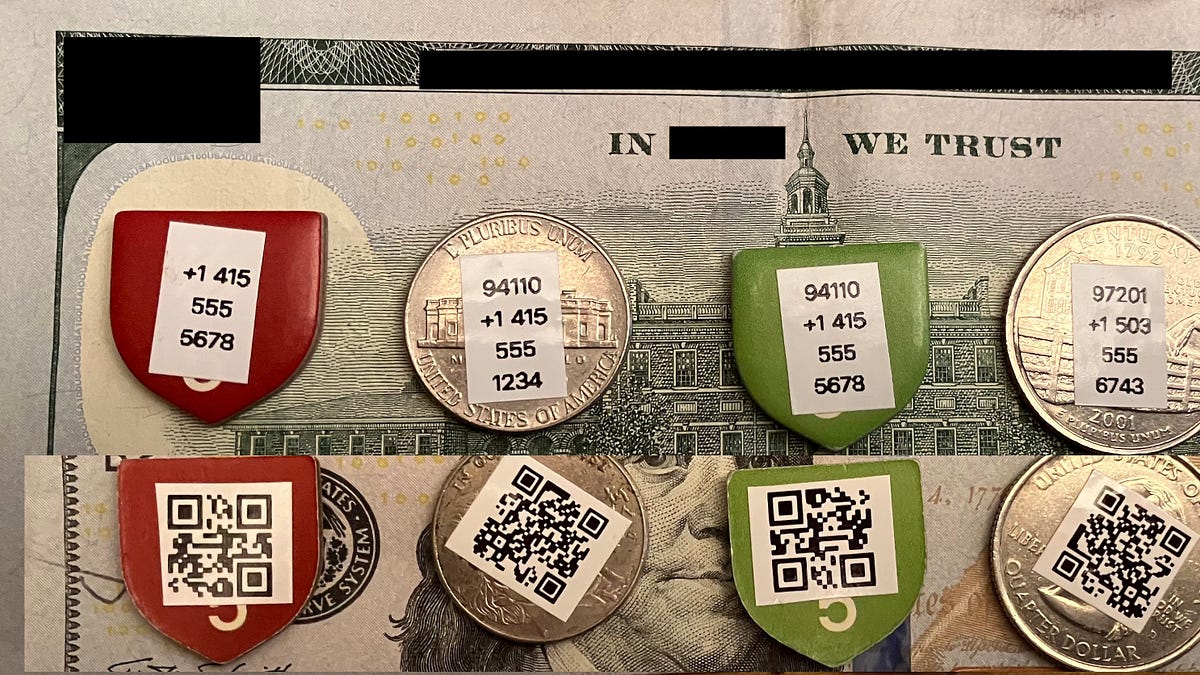
The holder of this coin is entitled to 2-3 hours of gardening, […]
This reminded me of time-banks.
It was used a lot in South American cities, at some point during the economic crisis of 2008. In practice it was working like this: people would declare in a sort of ledger what they can do and for how many hours, as well as what they needed and for how many hours. Everybody’s time was equaly valuable, no matter what they did.
It was going so well that they tried to accomodate stuff that would not fit in the time category, like renting a house. So they printed some sort of “contracts”/“money”. Government and mafia, printed counterfit and the project never recovered since.
(It’s been quite some time since I looked into this topic, so if I don’t remember something accurately, please let me know)
There’s many interesting examples linked on that wiki page, especially the Cincinnati Time Store (1827–1830).
Time banks have always sounded cool to me on the surface, maybe as a way to organize volunteering, but when it comes to it being a full replacement for money… I’m extremely disabled and have been since I was a child. I can do work (of any kind) for maybe an hour a day if I’m having some really good days. Where does someone like me fit into the system? Do I just… die?
I love the idea of doing a little local experiment like this! I hope the author publishes the results of their test.
I like the concept of an IOU system. It would also work well for me being disabled - I don’t necessarily have the ability to do work (like with time-banking), but I have resources like my home library and collection of instruments/tools that I could see being valuable in this context. I also often offer friends use of my sewing studio (including all my work spaces, tools, and sewing machines) which is valuable to folks who sometimes need to craft things but not often enough to justify having their own studio. My partner also could offer their skills and expertise in exchange for help that I receive.
Yeah, let’s turn our time itself into a capitalist currency, how can this go wrong?
The problem with monetary systems is that they fundamentally do not distinguish between ill-gotten gains and mutual aid. Someone who leverages their power over someone to take all their money will have all their money, and unless that form of leverage was a crime, the economic system rewards that behavior and empowers them to exploit more people.
If you let your time become capital, you will either spend most of that time working for rich bastards that gamed the system, or you will selective break the promise made by the currency and they will become untrustworthy as a means of exchange.
The proposal described in the article requires a massive amount of infrastructure coordinating who is able to provide what and who needs what. That’s the valuable part. The money is just a terrible way of determining who gets priority.
Why the need to reinvent money for what used to simply be called being (good) neighbors or being members of a community helping one another, that was money-less? By putting even a tokenized form of money into play, like others have already mentioned, one is risking turning it into a business, with any kind of abuse… Even more so if said money has an expiry date on it (why? and how would that be considered fair?)