

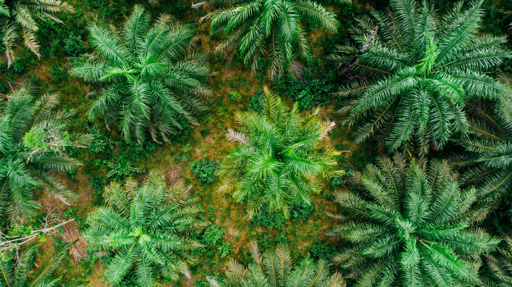
The study examined 19 oil crops. “Three of which caused a particularly large share of the impacts: oil palm, soybean and coconut,” says Shuntian Wang, a doctoral student on Pfister’s team. Together, they account for some 75% of the biodiversity loss caused by oil crops.
At the same time, the study highlights a clear development: Between 1995 and 2020, biodiversity loss rose by around 80%. But this is not primarily caused by global population growth.
Ugh, is coconut oil also terrible for the local environment then, like palm oil? What a shame.
Palms are usually hard and slow to grow due to how fast the soil nutrients get depleted by them, they also alter the soil a lot. I can’t read the article but I guess the reason has something to do with it.
So 😢
