

cross-posted from: https://slrpnk.net/post/34316845
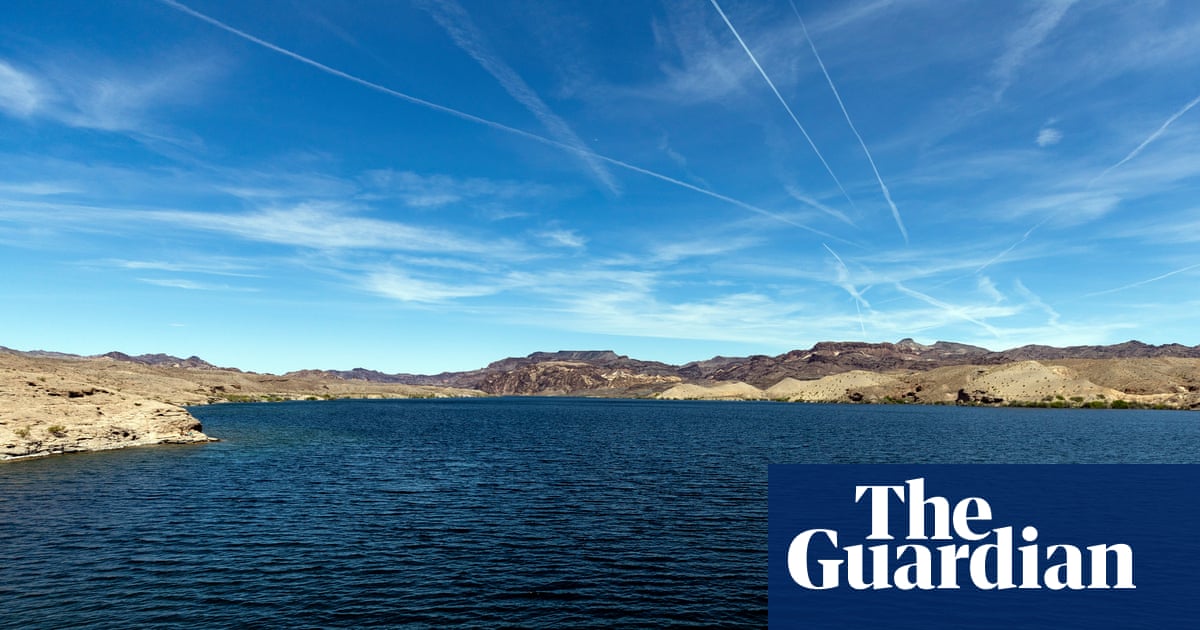
The future of the American west hangs in balance this week, as seven states remained at a stalemate over who should bear the brunt of the enormous water cuts needed to pull the imperiled Colorado River back from the brink. Time is running short to reach a deal before a critical deadline, set for Saturday.
In the region where water has long been the source of survival and conflict, the challenges hindering consensus are as steep as the stakes are high.
Snaking across 1,450 miles (2,300km) from the Rocky Mountains into Mexico, the Colorado supplies roughly 40 million people in seven states, 5.5m acres (2.23m hectares) of farmland and dozens of tribes. The waters fuel an estimated $1.4tn in economic activity, and raised bustling cities, including Los Angeles, Phoenix and Las Vegas. The sprawling basin is also home to diverse ecosystems, with scores of birds, fish, plants and animals, and provides critical habitat for more than 150 threatened or endangered species.
The river has also been overdrawn for more than a century. As demand continues to grow, rising temperatures and lower precipitation caused by the climate crisis are taking an increasingly larger share of declining supplies, a trend only expected to worsen as the world warms.
Shortages could lead to dramatic changes in how water is distributed in the future. More than 70% of water is used by agriculture – which includes thirsty crops like alfalfa and hay that are used to feed cattle and the bulk of the winter lettuce and leafy greens grown in the US.
Here it is. Animal agriculture is the single biggest consumer of water, using much more than even controversially water-intensive activities like hydraulic fracturing… but the author of this article deemed it important to mention lettuce?