

- cross-posted to:
- treehuggers@slrpnk.net
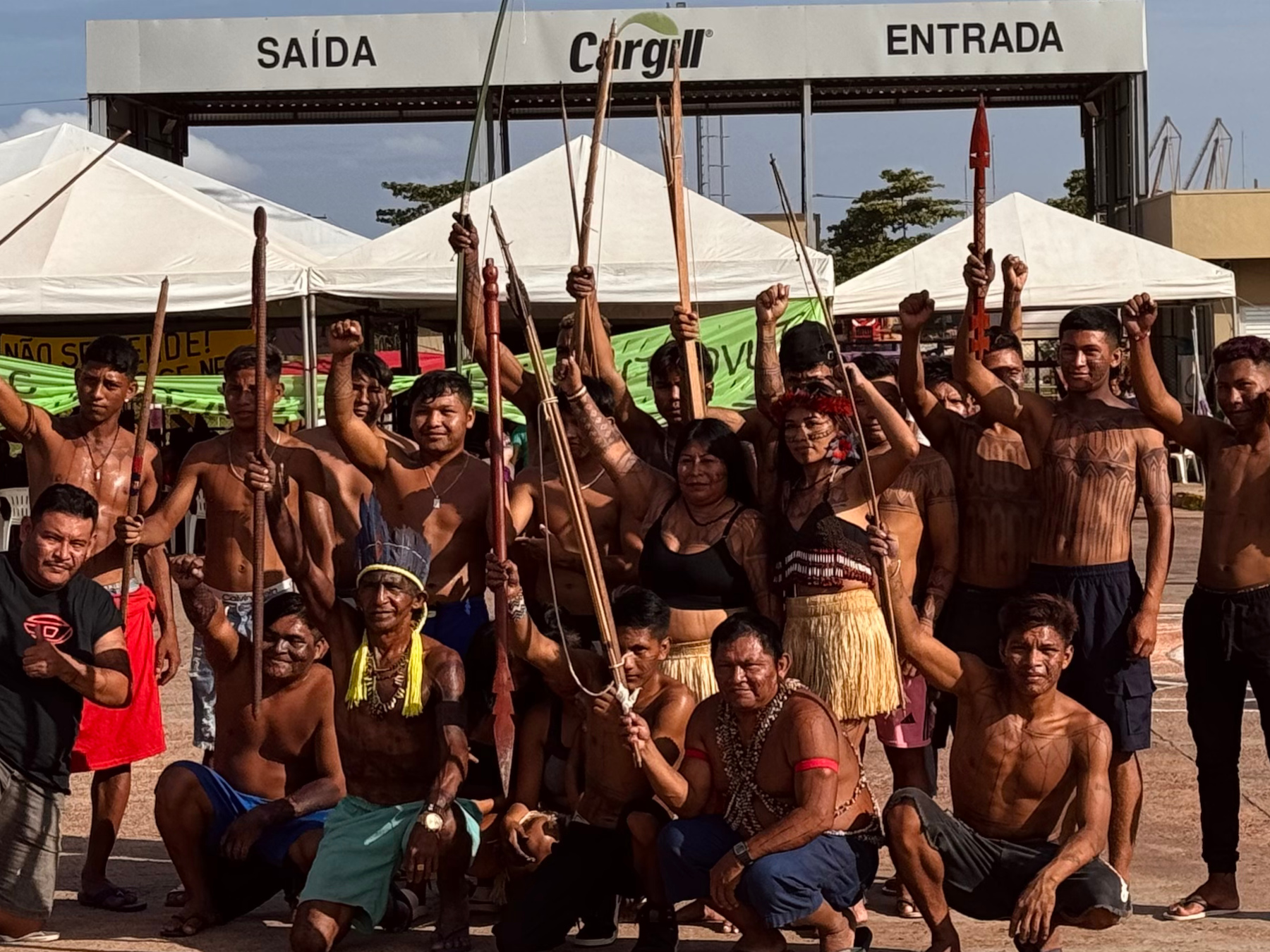
“What is happening on the Tapajós is not an isolated episode: it is the direct consequence of decisions that treat rivers as export corridors and push projects forward without real listening and without rights safeguards. During COP30, more than 500 Indigenous people warned the world about the risks of projects tied to the Ferrogrão export corridor and the dredging of the Tapajós – and still, their demands remain without an effective response. The international community, buyers, and financiers cannot keep normalizing a ‘progress’ that fuels conflict and threatens living territories,” said Vivi Borari, an Indigenous leader and activist in the Tapajós Vivo Movement, a member organization of the Enough Soy Alliance.
“While Cargill tells the press that they have no control over the reckless expansion of export-oriented infrastructure across the Amazon, the opposite is true,” said Christian Poirier, Amazon Watch Program Director. “It is the demands of powerful commodity traders like Cargill that drive the destructive privatization of Amazonian rivers and construction of mega-projects like Ferrogrão. The Indigenous mobilization chose Cargill’s grain terminal for this reason, to hold them accountable alongside sectors of the Brazilian government.”