
Small scale permaculture nursery in Maine, education enthusiast, and usually verbose.

  • 35 Posts
  • 68 Comments
Joined 3 years ago
cake
Cake day: June 10th, 2023

help-circle

  • Gardening is community-building praxis. It enables us to feed our neighbors, teach people to appreciate nature, and creates opportunities to discuss topics that would otherwise cause some to tune us out. The climate crisis, food insecurity, class struggle, community resilience, and so many other topics become incredibly more palatable to a wider audience when viewed and discussed through the lens of gardening. Is it the only thing we should be doing? No, of course not, but it empowers us to grow so much more than just plants.
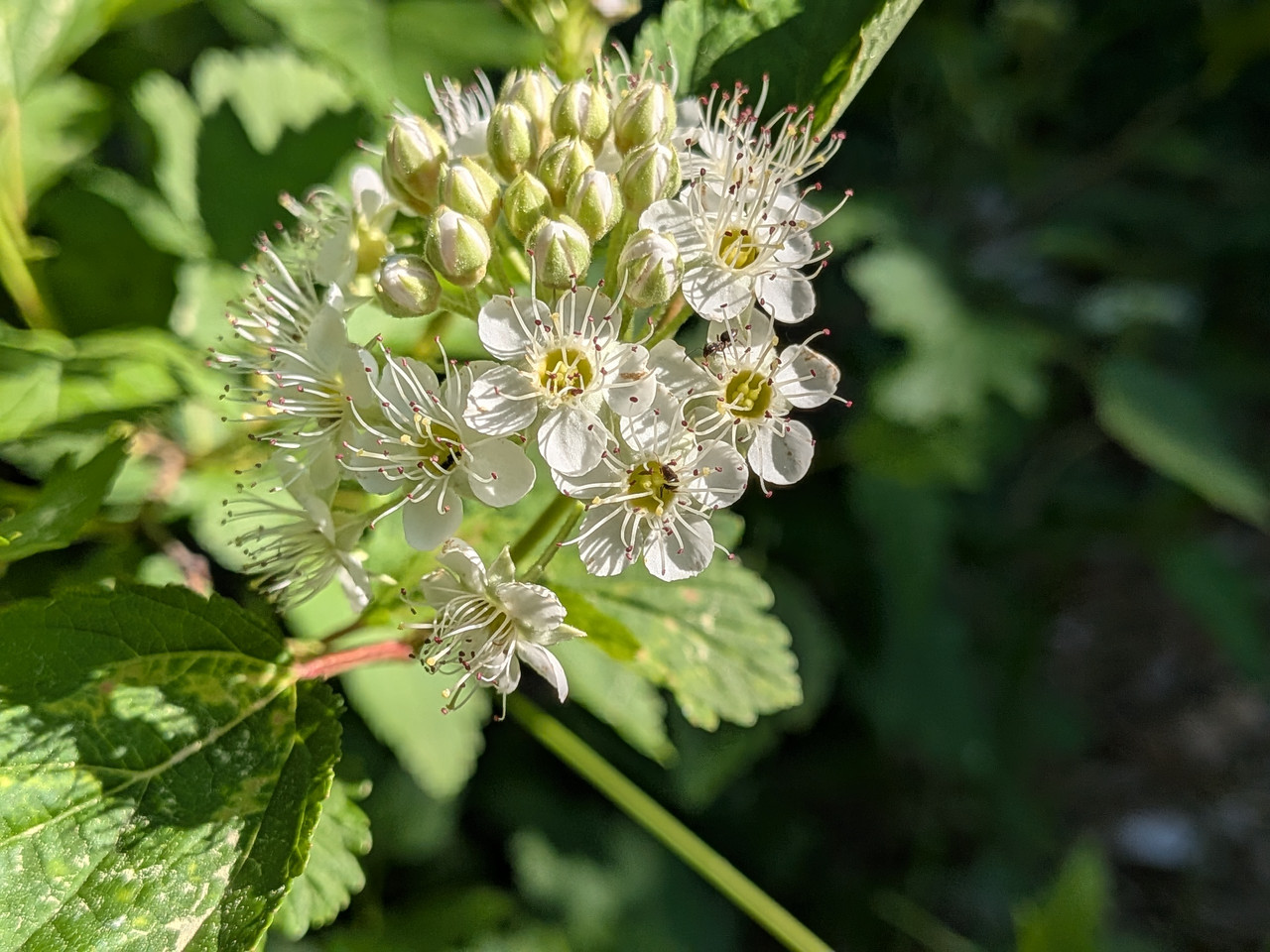
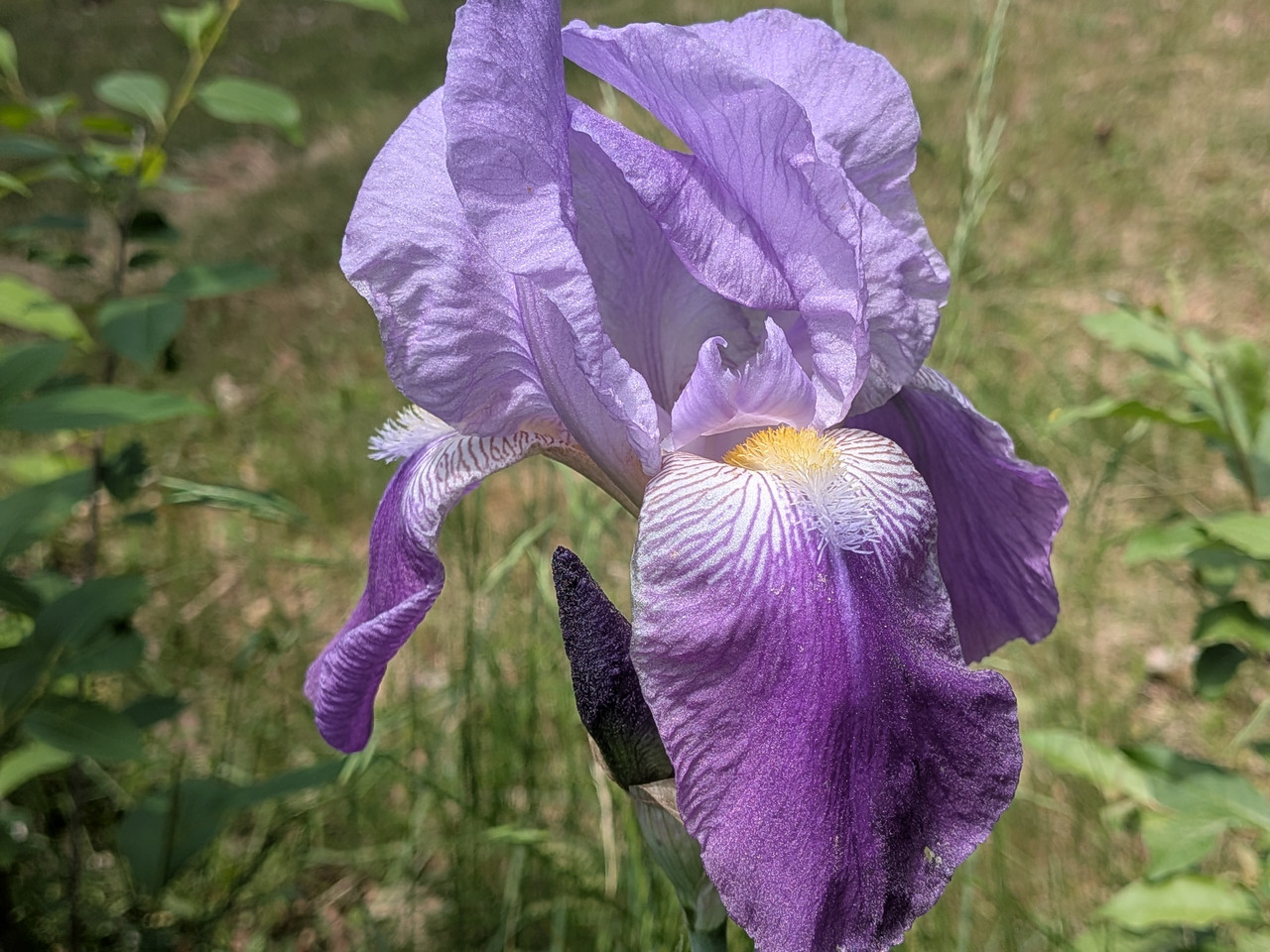
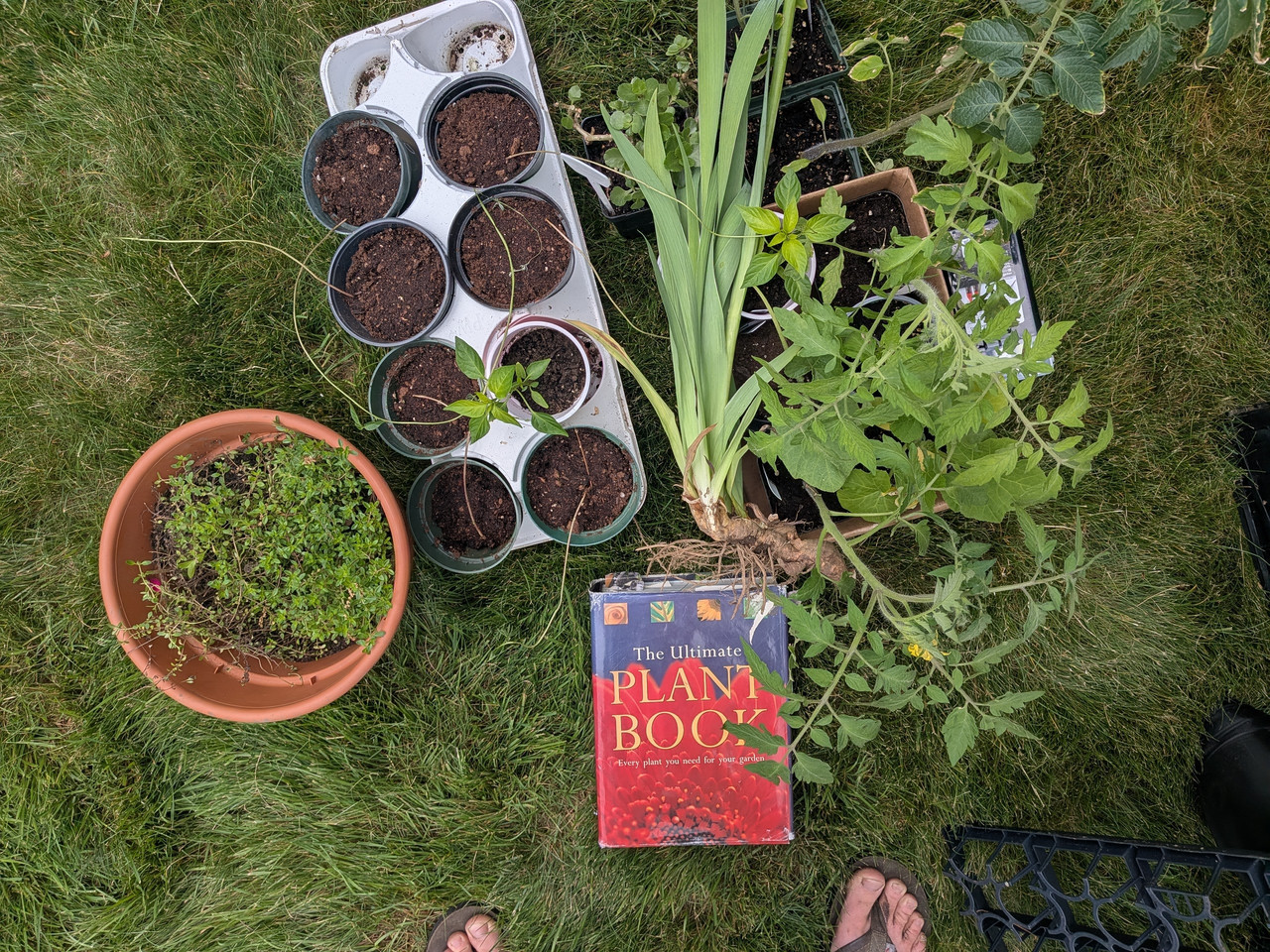
  • I agree with @Adverse_Reaction@anarchist.nexus, but you could substitute a shovel for a garden fork for loosening the soil around the roots. Sometimes a sturdy four tine fork makes things a little easier digging out plants of this size when you’re trying to tease them apart but maintain your soil aggregates (within reason).

    If you’re in new england this weekend is a good time to split them - we’re due for some major rain events next week and that will give them a break from heat stress while also helping to water them in, which will both help mitigate the transplant shock.


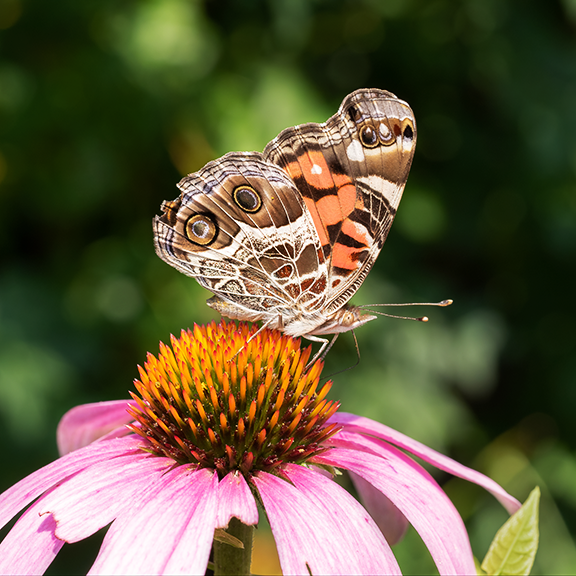
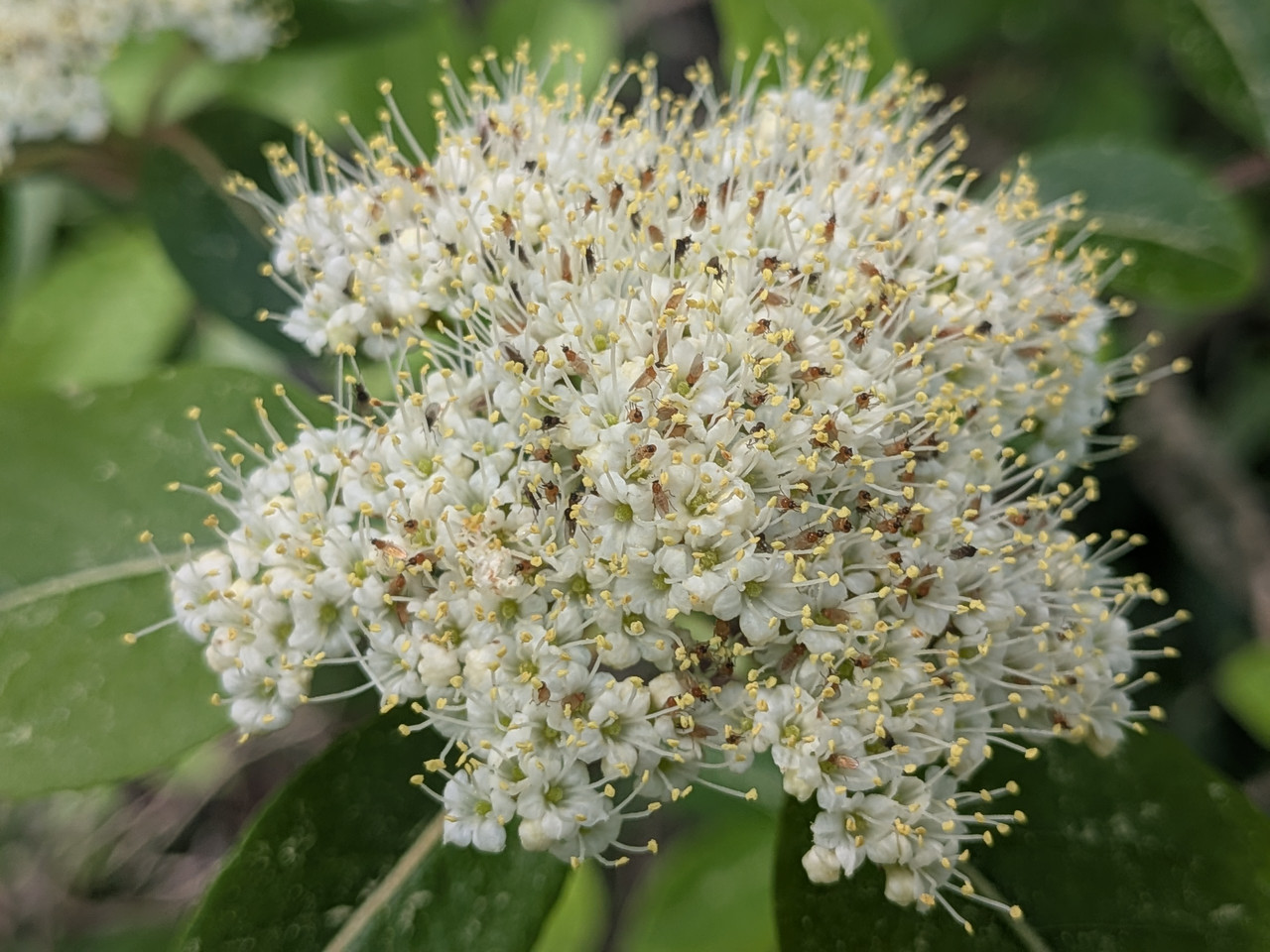
  • I hear you, I try to get pictures of every critter my nearsighted self can see. I’ve gotten good close-ups of a few Ichneumonid wasps and I think two or three different cuckoo wasps (Chrysididae), but our state is awash in hoverfly species too. I did try to get a good close up of them but the resolution blew out to the point that iNaturalist didn’t see anything. We’re LLYLCK on iNat if you’re curious to see who we’ve been able to spot


  • This native plant finder can help you find native plants that will attract the insects and other life you’re hoping to entice. The associations listed are the research results of Doug Tallamy and other researchers. And as Tallamy says, plant for specialist insects and you’ll attract generalists as well.

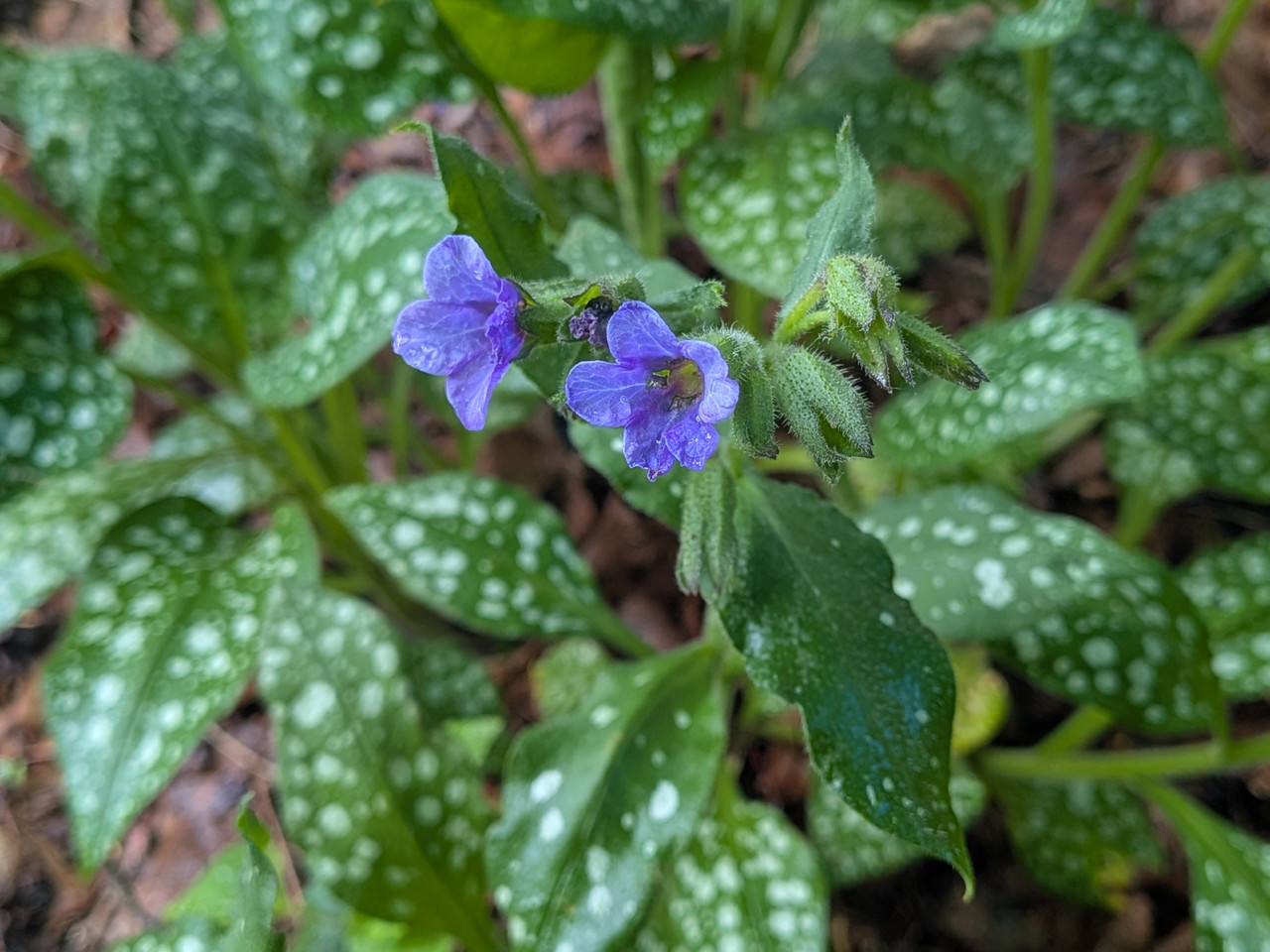
    Off the top of my head, plants like canadian ginger, serviceberries, purple flowering raspberries (R. odoratus), and members of the worts can do a lot of restoration work in moderate to deep shade. Having a patch of grass that doesn’t get mowed is a huge boon to many insects, as is leaving any mowed grass clippings around other plants as mulch. Lightning bugs in particular require grass debris or patches where it got so long it fell over to complete their life cycle.


  • You can do spot treatments with things like blood meal to address any nitrogen needs (alfalfa meal works for this too), diluted apple cider vinegar to address pH issues (they like a more acidic flavor of garden soil), or mulch to address an water availability needs (they prefer easy access to water). If they’re only on their second year of growth I would expect them to be focusing more on roots than shoots, depending on when they were planted last year and what their root mass was like at planting.